Greetings! 👋
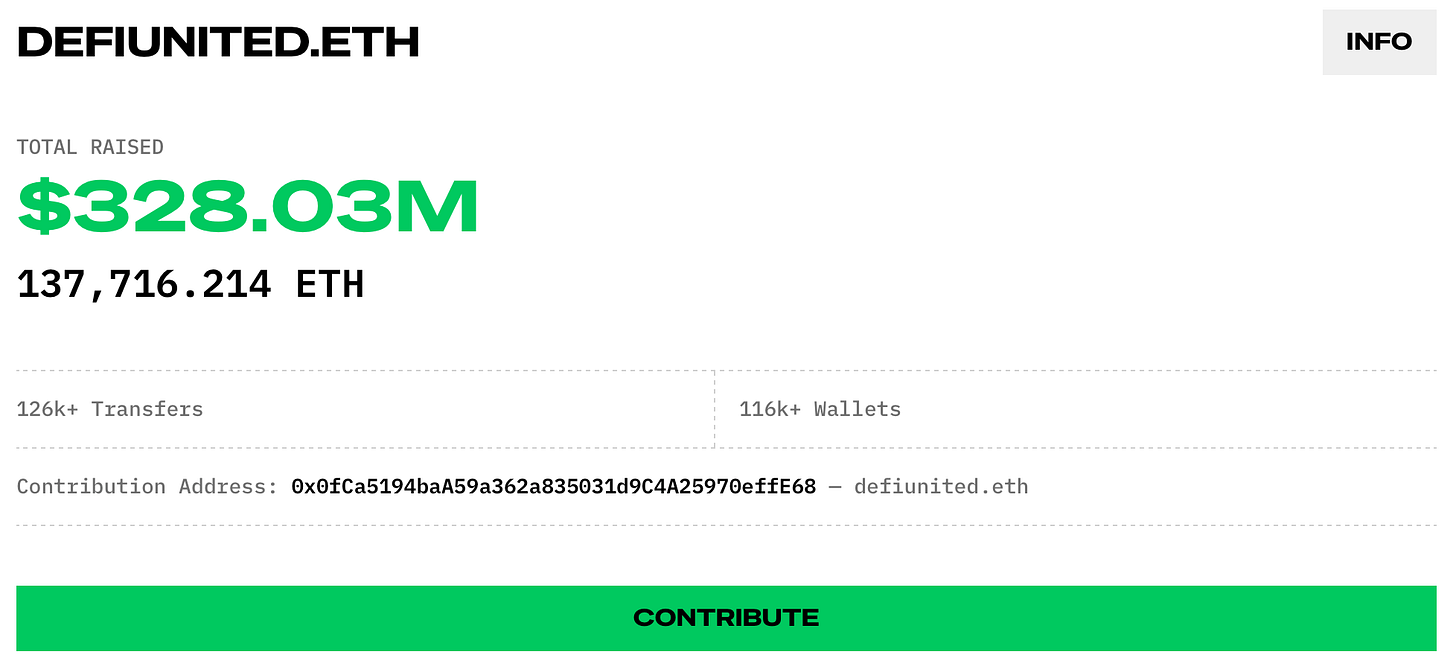
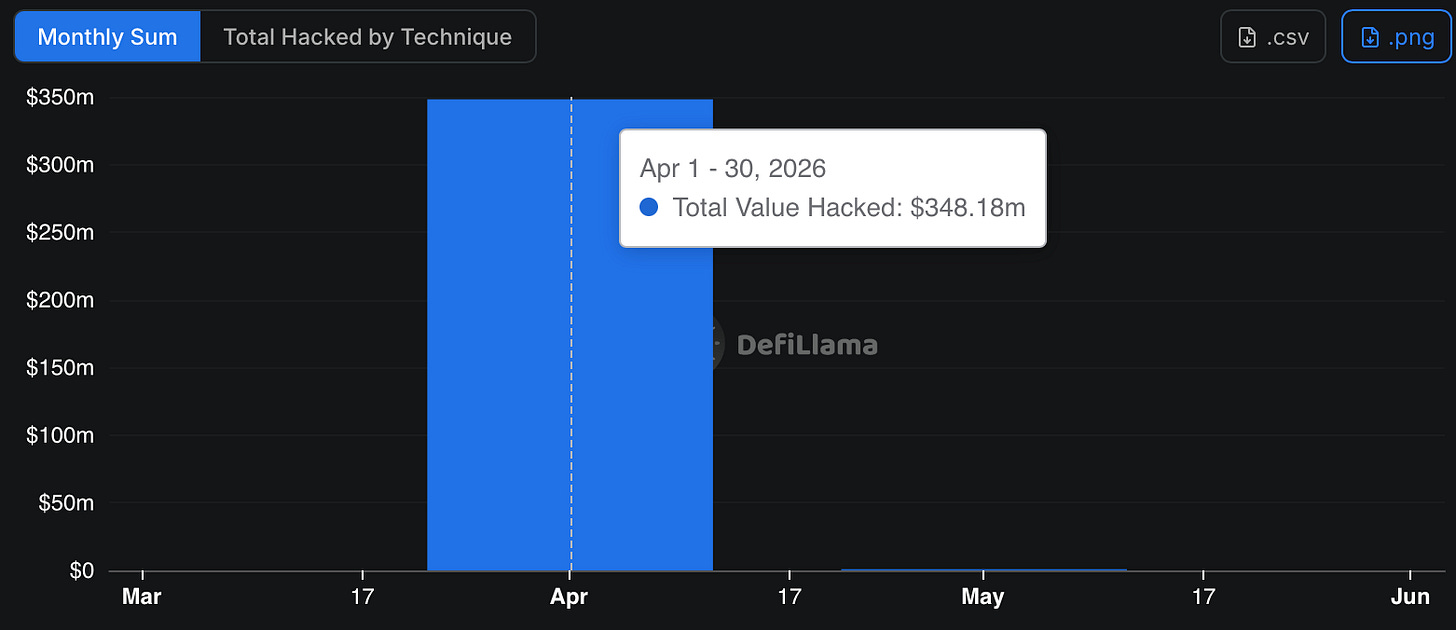
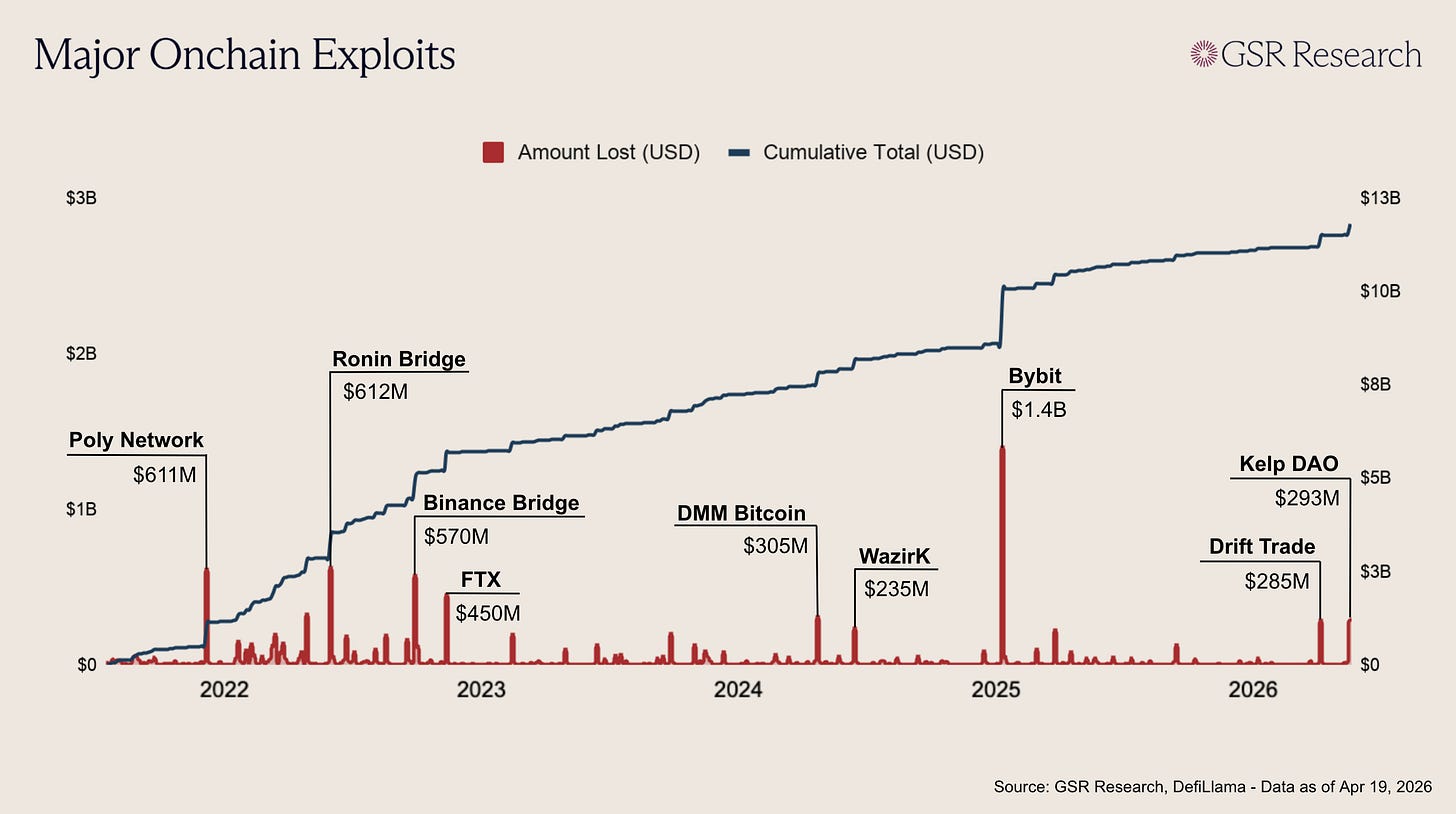
April was a month of extremes, and a reminder of what makes Ethereum different. One of the ecosystem’s largest DeFi hack in years laid bare the fragility of cross-chain infrastructure, but the community’s response was swift, coordinated, and unprecedented in scale.
We’ve cut through the noise and focused on what has lasting relevance for builders, communities, and anyone paying attention to where Ethereum is heading.
U.S.: The SEC issued guidance exempting DeFi front‑ends (swap UIs, wallet interfaces) from broker‑dealer registration, as long as they provide no investment advice, take no custody of user funds, disclose transparent fixed fees, and clearly state their unregulated status. The framework is framed as interim clarity valid for five years.
Japan: Two major crypto card launches hit in a single week, Bitbank’s EPOS Crypto Card (bills settled in BTC from exchange balance) and SBI’s Visa Crypto Card (spending points auto-converted into BTC, ETH, or XRP). Both lower the barrier for crypto holders to use their assets in daily life, while merchants still receive yen and the crypto conversion is handled automatically in the background.
Taiwan: Taipei’s Ethereum and OSS+privacy communities are joining forces to co-curate a blockchain and privacy track at COSCUP 2026, a good example of local Ethereum and open source communities building together.
Singapore: OCBC, Lion Global Investors, and DigiFT launched GOLDX, Southeast Asia’s first tokenised physical gold fund on Ethereum and Solana, subscribable via stablecoin or fiat, as the broader tokenised RWA market has grown 10x to $18.2B since January 2024.
Romania: The country builds quietly, read our Romania Ethereum Ecosystem Overview.