
Greetings! 👋
Ethereum’s protocol and UX roadmap is accelerating, while stablecoins and tokenized assets push further into mainstream finance. Privacy tooling is improving too. Let’s dig in.

Greetings! 👋
Ethereum’s protocol and UX roadmap is accelerating, while stablecoins and tokenized assets push further into mainstream finance. Privacy tooling is improving too. Let’s dig in.
Crypto payment cards have gone from novelty to real volume. They let people spend crypto anywhere traditional networks are accepted: stablecoins convert to local currency at the point of sale, so merchants see an ordinary card swipe. No bank account required, since users either deposit stablecoins with an issuer or hold them in self-custody. The result is broader global access to dollar accounts.
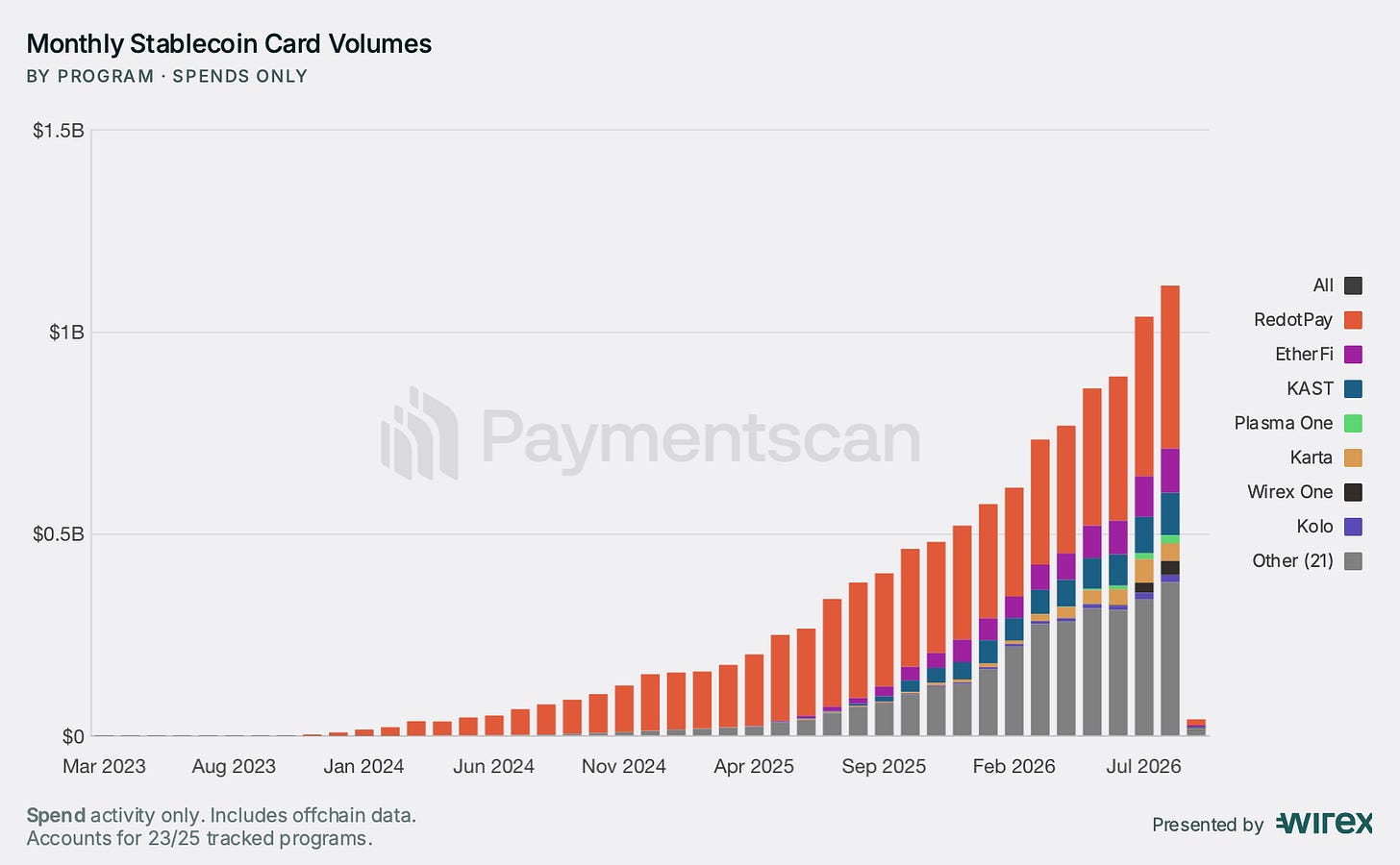
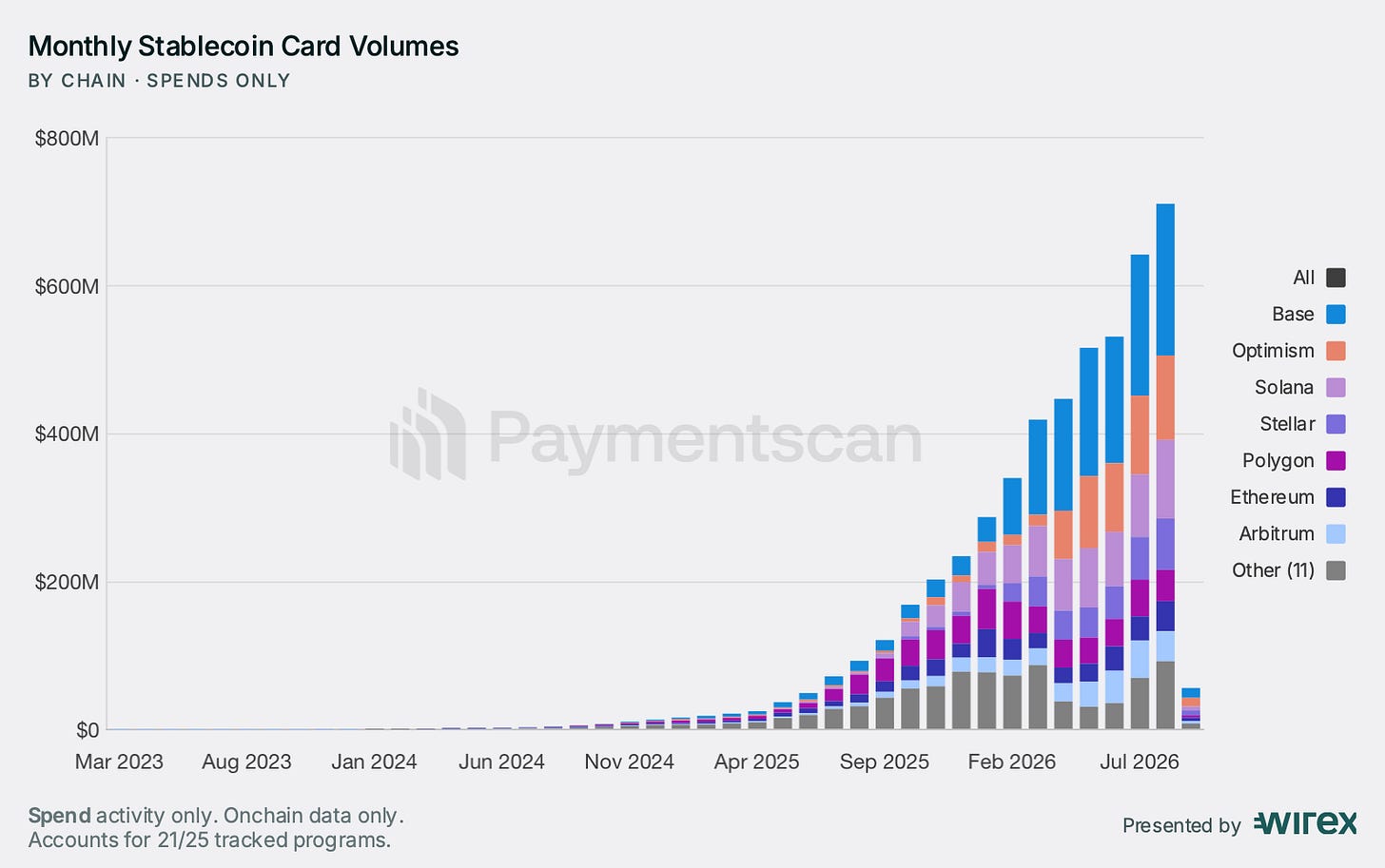
Counting the mainnet together with its rollups (Base, Optimism, Arbitrum), the Ethereum ecosystem settles the majority of all crypto card volume as of August, with Base alone at $205M. Solana and Stellar are the only meaningful non-Ethereum venues. The spend lands on L2s because card settlement is high-frequency and low-value (~$86 per swipe, where per-transaction cost decides feasibility). Rollups make those unit economics work, which is the job they were built for.
Why it matters: Crypto cards are one of the first payment use cases with sticky, real-world volume, and most of it settles on Ethereum and its L2s. Because settlement chains are costly to switch once liquidity and integrations are set, early flow compounds. As stablecoin payments scale post-GENIUS, Ethereum and its rollups are already the settlement layer most card programs default to.
Further reading:
In early August, the Ethereum community debated EIP-8363, a proposal to make validator rewards fall faster as more ETH gets staked. It was floated for Hegotá near the inclusion deadline and remains a draft. The debate raised two questions: would it reduce staking centralization, and is this the right time to change issuance?
Validators earn ETH through new issuance. Rewards fall as more ETH is staked, but remain positive even at very high staking levels. EIP-8363 would burn a growing share of those rewards, reaching zero net consensus issuance when roughly half of ETH is staked. At today’s ~one-third staking ratio, consensus yield would fall from ~2.6% to ~1.2% over 18 months.
The concern is that continued issuance encourages more ETH to be staked, while staking is increasingly done through exchanges, LSTs and custodians. As more ETH concentrates in a few large providers, these providers may grow too big to punish credibly during a crisis, since slashing or forking against them would harm too many ordinary users. Lower issuance is meant to slow that concentration.
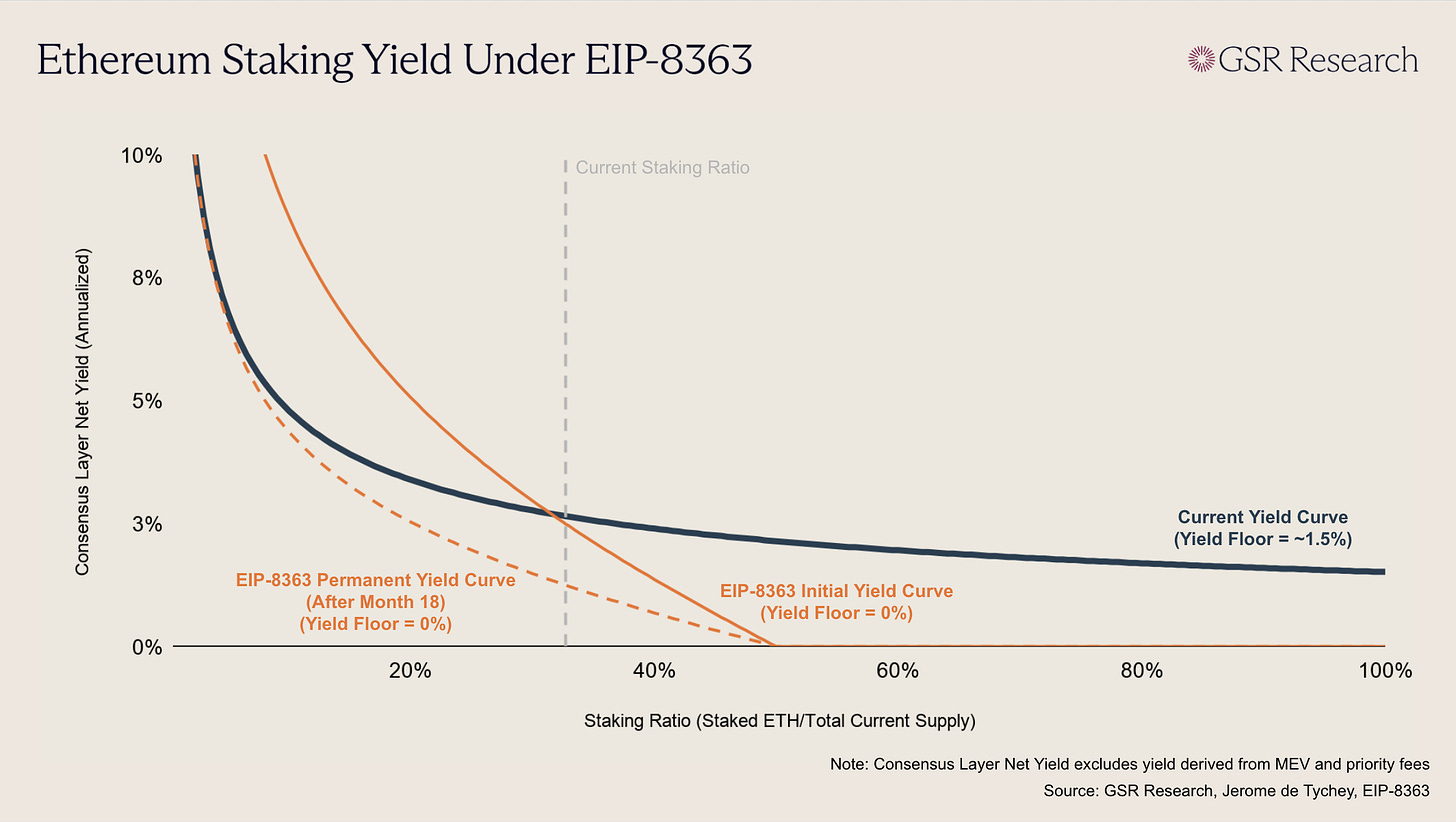
That is unclear. Large operators have scale, reward smoothing and better access to MEV, while solo stakers still face fixed costs. If yield falls enough, smaller operators may exit first. Ethereum could end up with less ETH staked but a more concentrated validator set.
Lower yield would also weaken the economics of LSTs, lending and restaking. The key unanswered question is simple: who exits first when staking yield falls?
Critics also question the timing. Adoption and blockspace demand matter more now, and changing supply does little to solve weak demand. Staking yield has also become part of ETH’s investment appeal, so cutting it comes with a cost. The proposal arrived late in the Hegotá process, leaving limited time to study its effects on solo stakers, DeFi and institutional staking. The issue will likely return, with a stronger case once there is better evidence.
Why it matters: issuance is the one lever that touches staking, LSTs, lending, restaking and ETH’s investment case all at once, which is why a late-stage draft EIP drew this much attention. The proposal itself may not make Hegotá, but the question behind it, whether Ethereum is paying for more security than it needs, is now a standing item on the roadmap. It returns stronger the moment someone can show who actually exits when yield falls.
Further reading:
Ethereum launched Platåberget, a short-term public testnet for Glamsterdam, covering ePBS, Block-Level Access Lists, gas repricing, and larger contract limits. It gives apps and infrastructure providers an early environment to test breaking changes before Glamsterdam reaches Sepolia and Hoodi.
Quick Slots is being pushed for inclusion in Hegotá. EIP-8198 introduces variable slot timing infrastructure for Ethereum, enabling shorter slot durations to improve UX, tighten DEX pricing, and compress MEV. EthLabs is proposing an initial reduction from 12 to 10 seconds in Hegotá, while laying the groundwork for further reductions over future upgrades.
Glamsterdam’s gas repricing is being tested on devnets and against historical mainnet transactions. EIP-8037 and EIP-8038 reprice state creation, access, and writes to better reflect their costs, helping make higher L1 gas limits and increased throughput safer.
Separately, EthLabs advanced decoupled consensus, the leading design for faster Ethereum finality, by publishing pseudocode for the full protocol and moving it through formal verification and external review. The design aims to reduce finality from ~15 minutes to a few minutes by separating finality from block production.
Ethereum’s post-quantum roadmap advanced. Ethereum Foundation is moving away from Poseidon toward SHA/BLAKE-based designs, with leanVM targeted for 2027 and core post-quantum infrastructure around 2029.
Fast Confirmation Rule (FCR) is moving closer to production use. FCR gives systems a strong confirmation signal well before full Ethereum finality, potentially reducing confirmation latency for bridges, exchanges, and L2s without requiring a hard fork.
Account Abstraction is now scheduled for Hegotá, with EIP-8141 moved to Scheduled status while its final design remains open. Current work is focused on keeping L1 and L2 account standards compatible, particularly with EIP-8130 on Base, so the same account model can work across both layers.
Kohaku CLI continues to improve Ethereum privacy UX, with recent releases simplifying onboarding, cutting Railgun mainnet sync over Tor from ~1 hour to a few minutes, and improving shielding flows across Railgun and Tornado Cash.
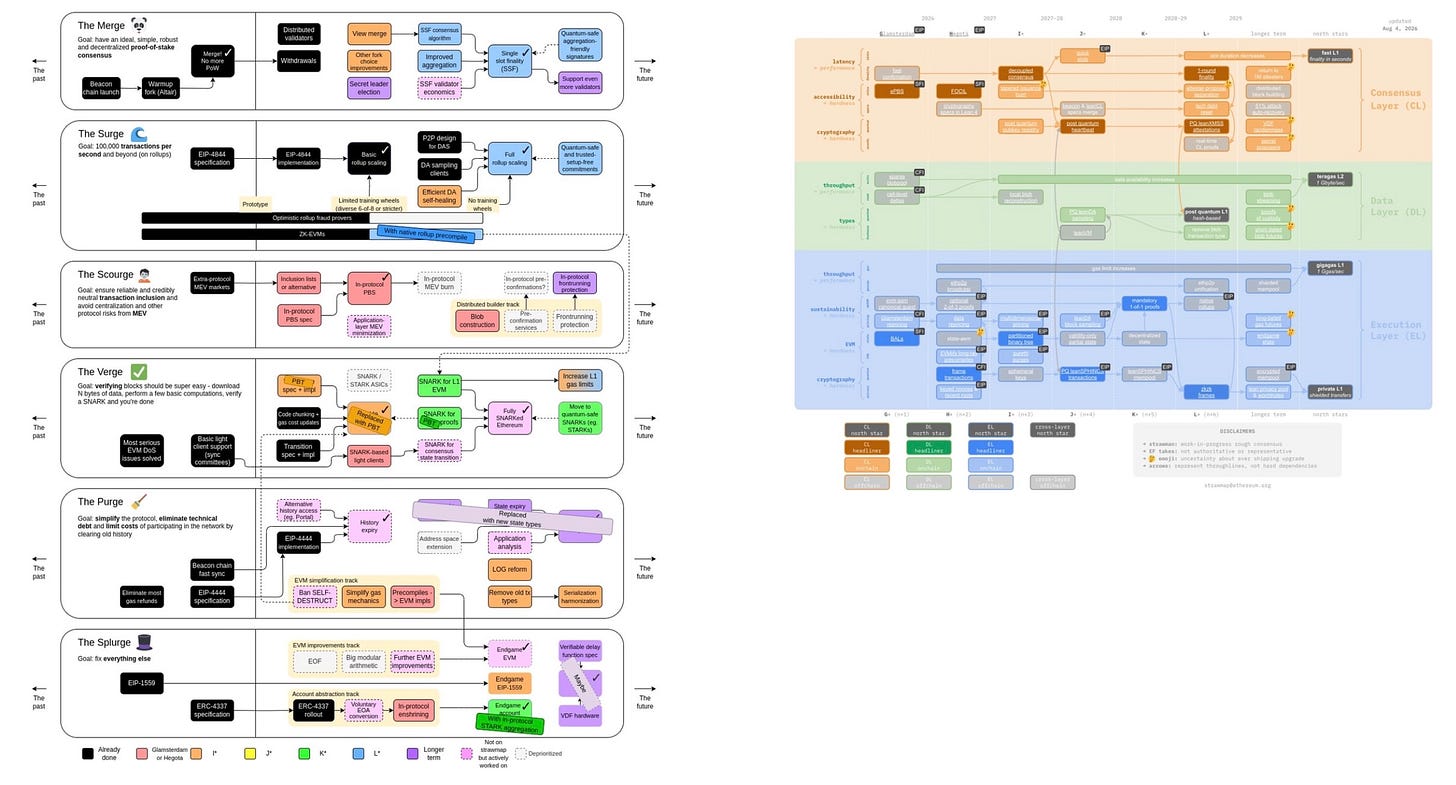
Vitalik updated his 2023 Ethereum roadmap against the current Strawmap, showing broad continuity but with quantum safety prioritized more highly, stronger first-class attention to privacy, and new areas such as native rollups and AI-assisted formal verification.
BlackRock launched tokenized share classes of its European money-market funds on Ethereum, expanding institutional fund tokenization beyond U.S. Treasuries into large-scale cash-management products. Separately, Neuberger Berman launched HINC with Securitize, extending the trend further into actively managed high-yield credit.
Revolut is rolling out EURR, its first euro stablecoin, on Ethereum, issued by Stripe-owned Bridge and initially available to selected European users. The launch brings stablecoins into a mainstream fintech distribution channel while broadening the market beyond dollar-denominated products.
Ethena launched Ethena Pay, extending USDe beyond DeFi into consumer payments, transfers, and card spending. The product gives Ethena a direct payments and distribution layer around its stablecoin ecosystem.
Mastercard acquired BVNK, strengthening the link between traditional payment rails and stablecoins across payments, settlement, and treasury.
Wells Fargo plans to roll out tokenized deposits for corporate clients this fall, enabling 24/7 programmable settlement on its proprietary blockchain.
DefiLlama and Forgd launched Universal Token Ratings, introducing continuously updated AAA–CCC scores that turn token transparency and market quality into an ongoing, data-driven rating.
FATF published its first dedicated DeFi report, making clear that “decentralized” labels alone do not exempt protocols from AML rules; regulators will assess who exercises control or sufficient influence. Chainalysis breakdown
U.S. crypto regulation is advancing on two tracks: the SEC proposed a framework for crypto investment contracts, while the CLARITY Act continues through Congress.
China’s Payment & Clearing Association published a self-regulatory framework for agent payments, covering agent identity, user authorization, and licensed payment providers.
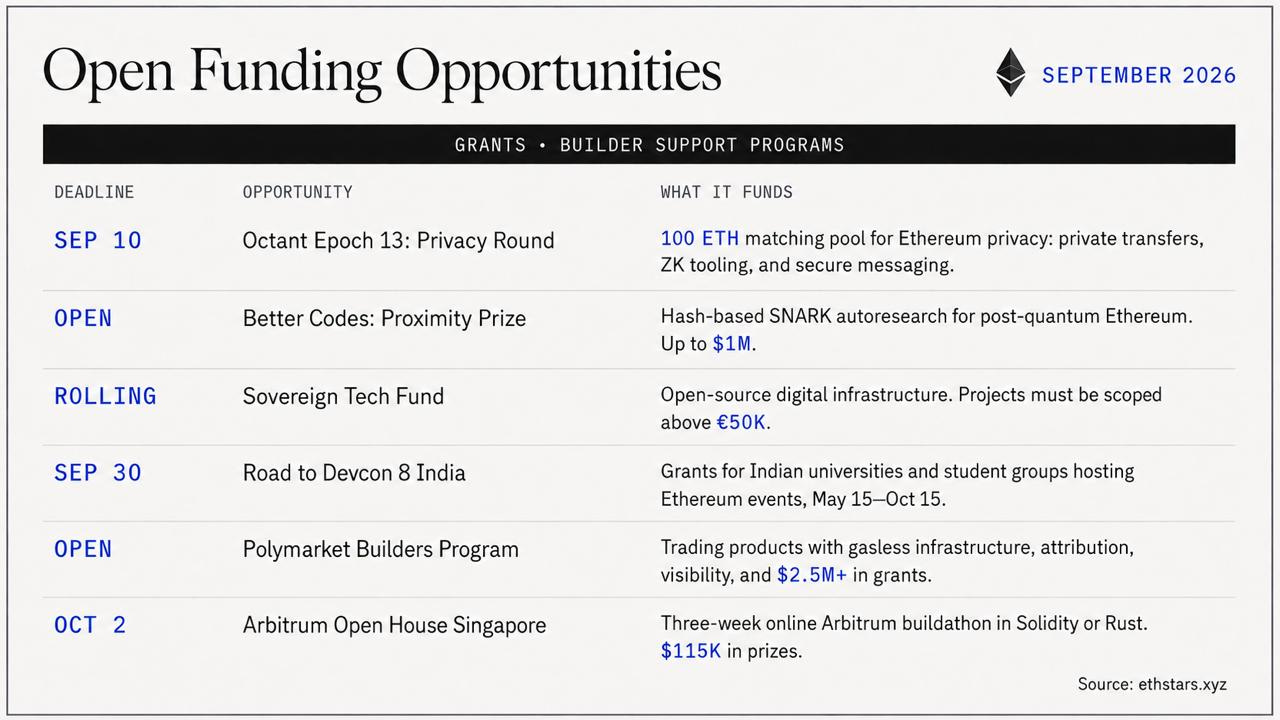
The Ethereum Foundation published its Q2 funding update, highlighting continued investment in Glamsterdam security, ZK proving, formal verification, and post-quantum infrastructure.
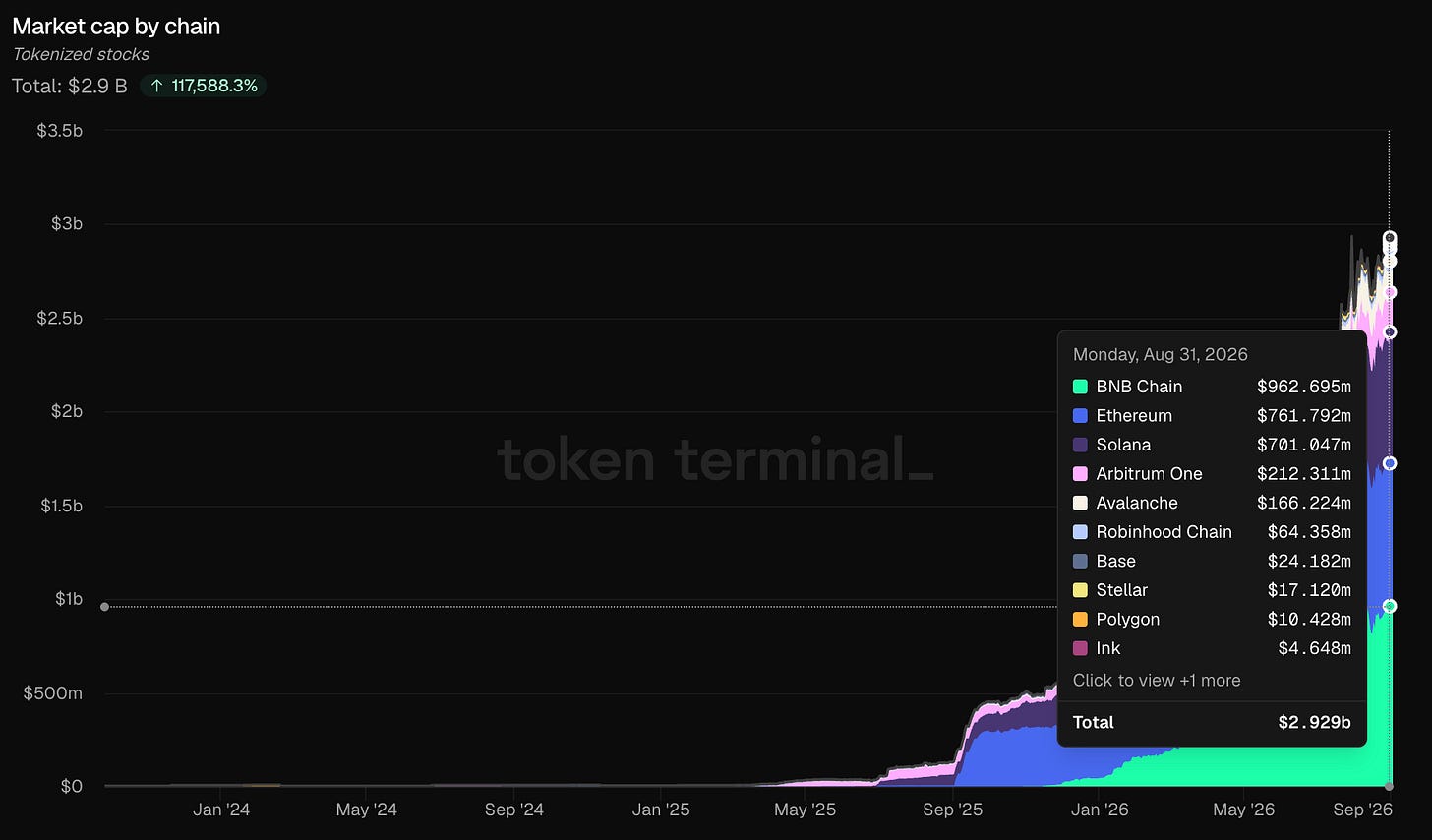
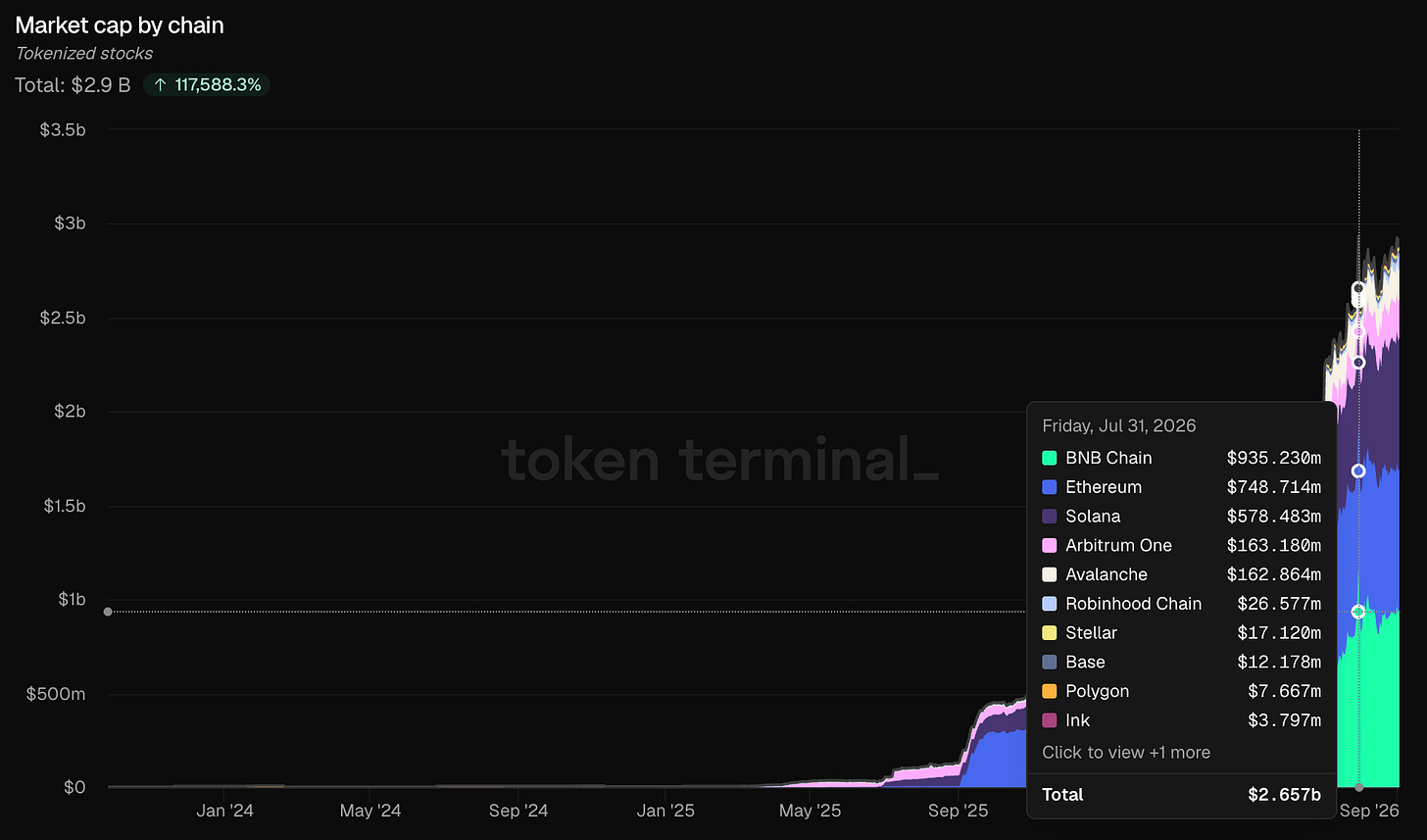
Tokenized stocks on Ethereum and its L2s: $1.08B (+12.0% MoM) (as of Aug 31, 2026)
Ethereum’s ecosystem reached $1.08B in tokenized stocks, up 12% MoM and 37% of the $2.93B global market. Growth was led by Arbitrum (+30%), Robinhood Chain (+142%), and Base (+99%).
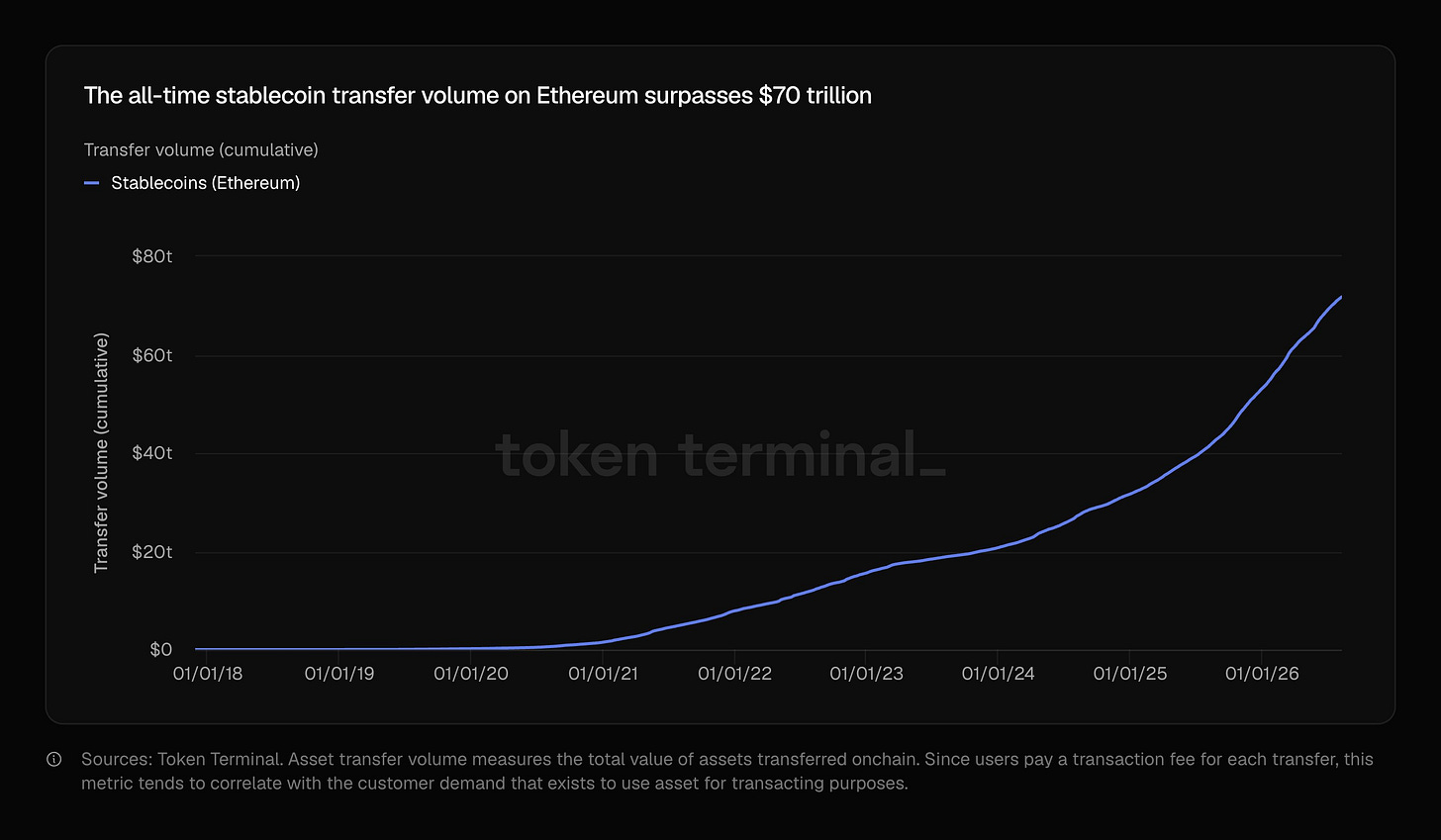
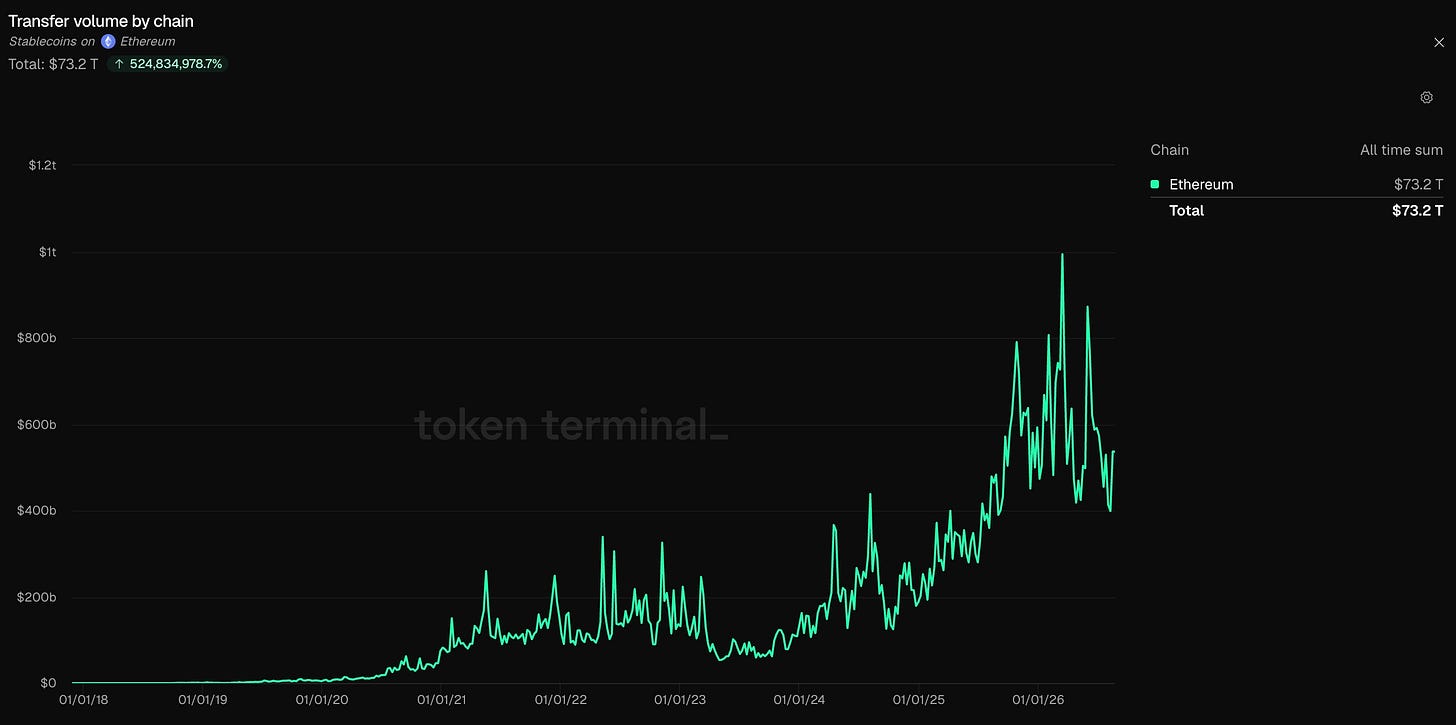
Cumulative stablecoin transfer volume on Ethereum: $72.9T (+71% YoY) (as of Aug 31, 2026)
Ethereum has settled $72.9 trillion as of Aug 31, 2026 in cumulative stablecoin transfers, up from $42.6T a year ago. Goldman Sachs estimates two-thirds of stablecoin supply sits in emerging markets, where onchain dollars are savings rather than trading chips.
Summer is winding down and autumn is on its way. Perfect time to get outside, enjoy nature, and stay well. 🧣
Riely and the Geode Labs
Have thoughts on this issue? Reply or DM me - I read everything.
Want to support Local Ethereum? Reach out about sponsorships.

Riely
Riely is the Editor in Chief of Local Ethereum, covering Ethereum and crypto adoption stories from around the world. Based in Berlin, she covers stories from India, Argentina, Poland, Taiwan, Serbia, and beyond, with a focus on how decentralized technology intersects with local culture, economics, and politics.
Published September 4, 2026 · 7 min read
Local Ethereum
In-depth Ethereum ecosystem coverage: regional deep dives, monthly roundups, and global analysis. Twice a month, free.
Subscribe, it's free